 What If UniverseOpen the simulator
Solar storm simulator
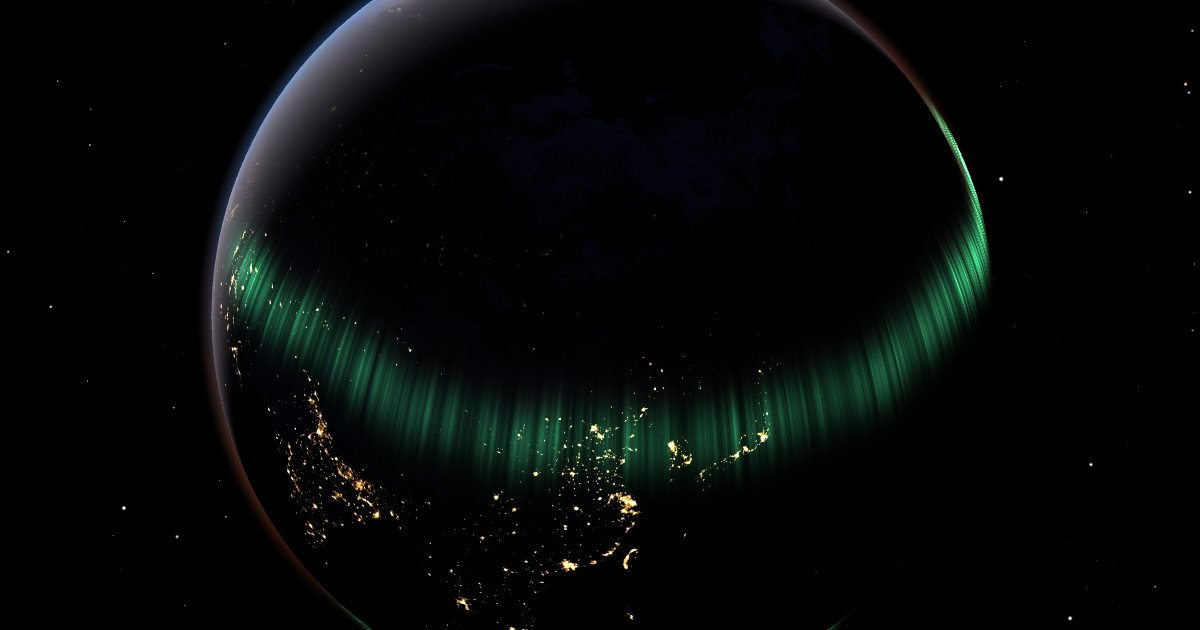
Send a huge eruption from the Sun at the Earth and watch the auroras spread toward the equator while the power grids fail on the night side.
 Try it now: free, in your browser
What a superstorm does
In 1859 the Carrington Event lit up auroras as far south as Cuba and made telegraph wires spark. In 1989 a much smaller storm blacked out Québec for nine hours. Tree rings show an even bigger storm hit the Earth in 774 AD.
The simulator shows the auroras and the cities going dark on the night side, counts the people in the failing grids and the cost. Big transformers can burn out, so the power can stay off for weeks or months, and the deaths from lost water, heating, hospitals and food deliveries build up over the months that follow.
Questions
What was the Carrington Event?
The strongest solar storm on record, in September 1859. Auroras were seen near the tropics and telegraph systems failed across Europe and North America.
Would a Carrington-size storm hit us today?
One is likely to hit at some point; estimates put the chance at around one in ten per decade. Its damage would depend on how long the power stays out.
Can a solar storm hurt people directly?
No. On the ground it is harmless to people. The danger comes from long power cuts and damage to satellites and grids.
All numbers in the simulator are rough estimates meant to show what could happen, not predictions.